×
×
×
×
NEW
Edition : 1 | Volume : 1
Publishing Year : 2026
Langage : English
Publisher : South India Book Traders
Author/s :
Mr. Santharam B , Dr. Balaji Parasuraman , Dr. D. Murugananthi , Dr. K. Mugilan
Availability :

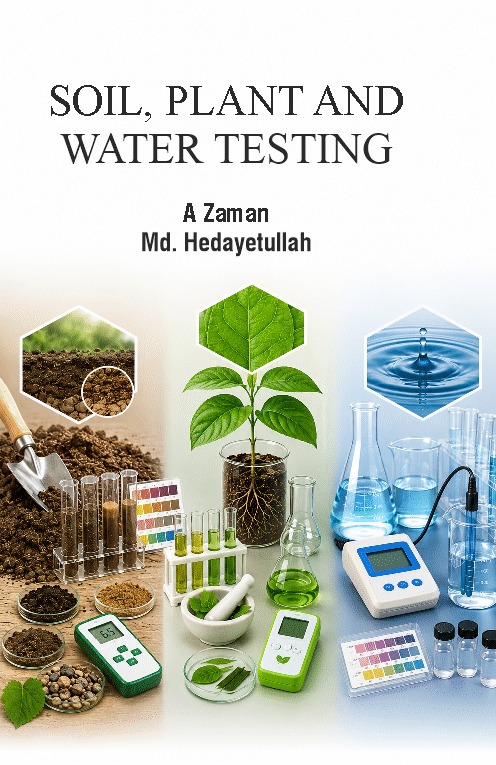
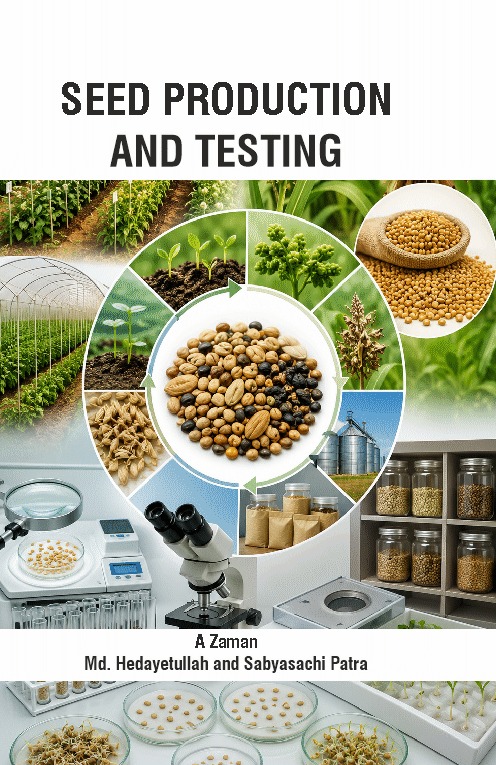
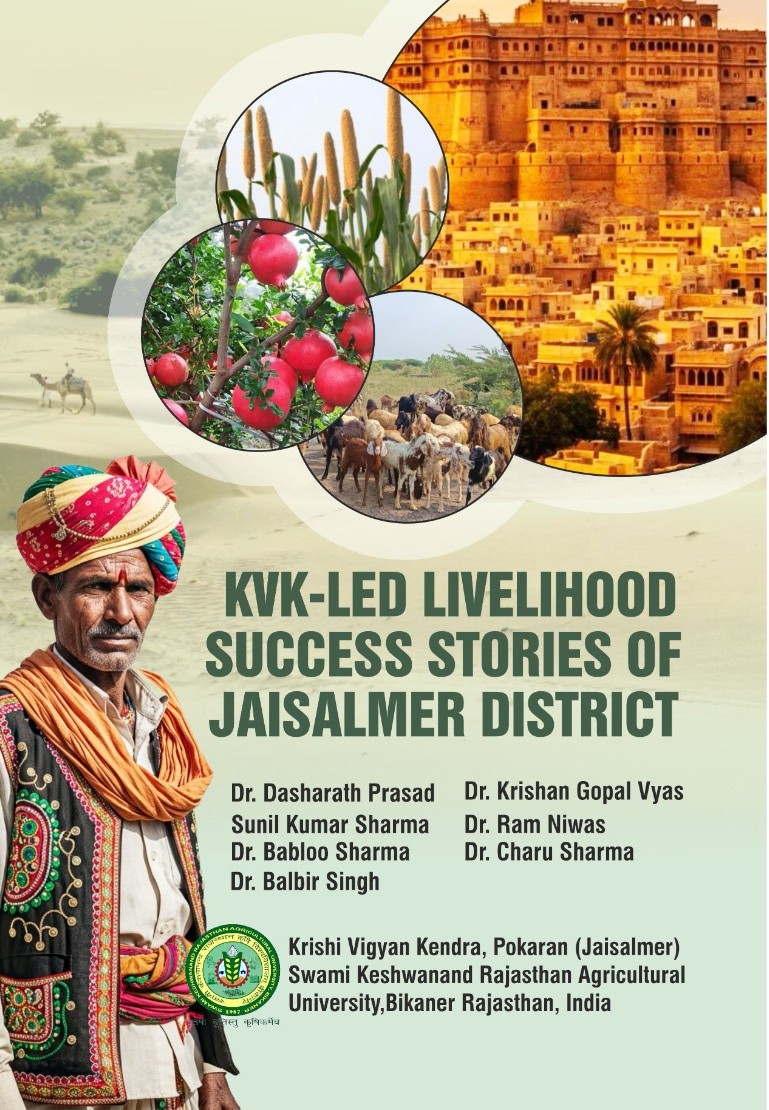
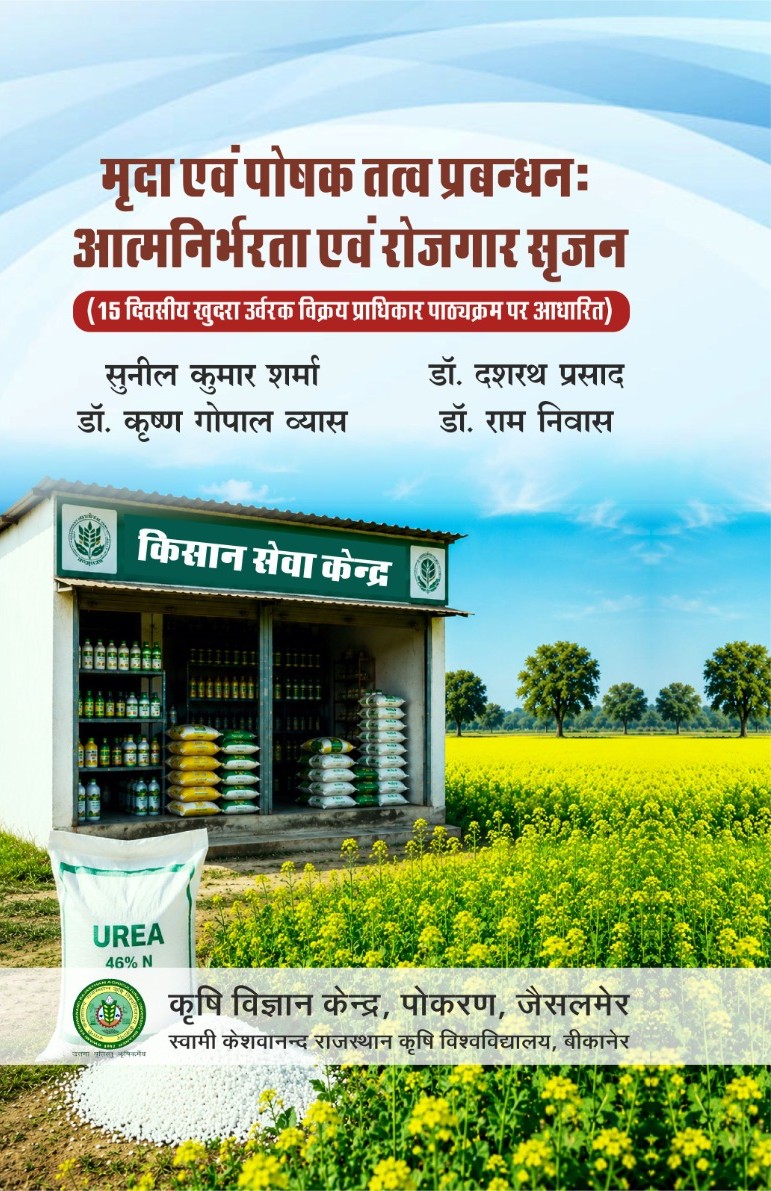
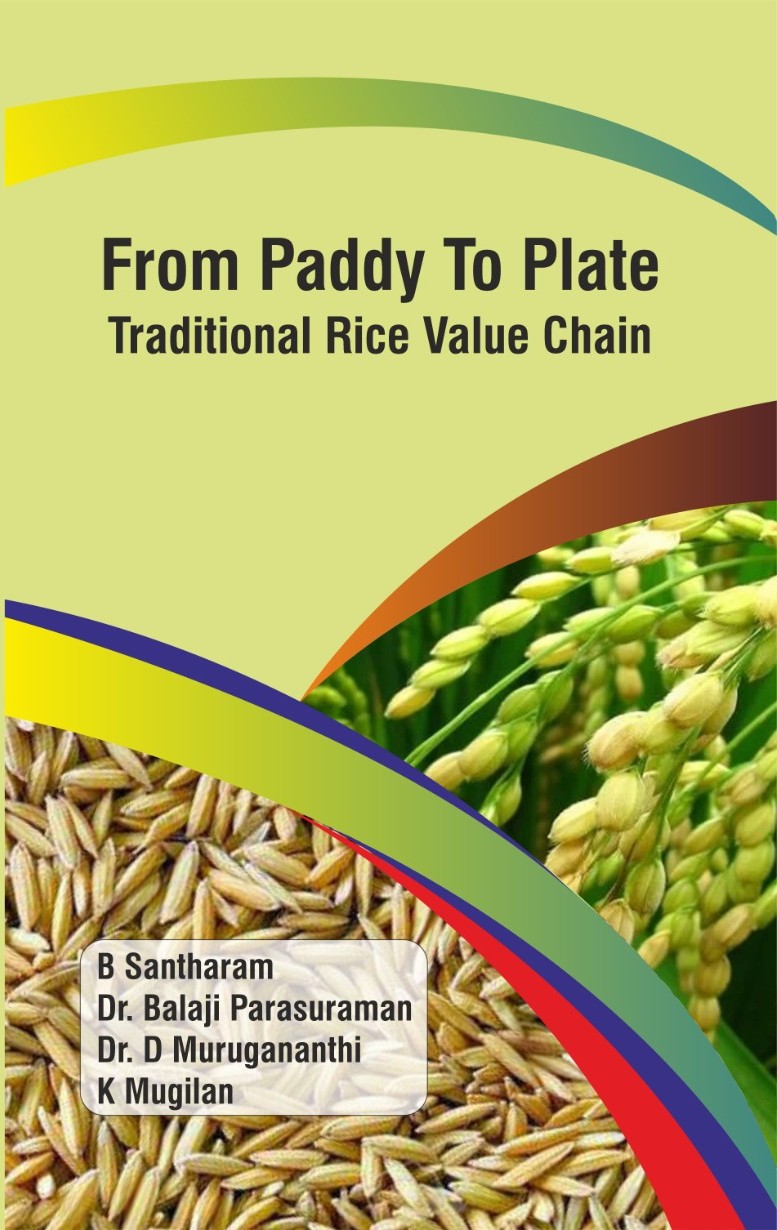
From Paddy To Plate: Traditional Rice Value Chain offers a comprehensive exploration of India's traditional rice sector, with a special focus on Tamil Nadu. Drawing on primary data from multiple districts, the book examines the entire value chain-from production and processing to marketing and consumption-while highlighting the roles of farmers, millers, traders, retailers, and consumers. It integrates economic analysis with consumer behavior insights, addressing key issues such as awareness, availability, consumption patterns, and willingness to pay for traditional rice and its value-added products. The findings emphasize both the significant market potential and the challenges facing traditional rice varieties, including infrastructure gaps and limited market access. Intended for researchers, academicians, policymakers, and students, this book provides valuable insights to support the revival and sustainable growth of traditional rice cultivation.
Dr. Balaji Parasuraman

Dr. P. Balaji, PhD (ABM), is a Professor from Department of Agricultural and Rural Management at Tamil Nadu Agricultural University, Coimbatore, India. With over 20 years of academic experience, he has been teaching agribusiness management, marketing institution, agricultural marketing and export management courses to UG, PG and Ph.D. students. He has published 100+ research articles in reputed national and international journals and six ISBN-certified textbooks from renowned publishers. He received TNAU best teacher award and MASU award for excellence in the field of social sciences. He also serves as PI and Co-PI in external funded projects from NABARD, World Bank, ICSSR, TNFD, PMFME and SPS-SDPC.
Table of Contents..
1. Introduction
2. Concepts and Review
3. Design of the Study
4. Description of the Study Area
5. Results and Discussion
6. Summary and Conclusion
7. References